
Keep stopping power strong with expert brake service in Converse TX. Our service team inspects pads, rotors, calipers, brake fluid, and ABS components to help your vehicle stop smoothly and predictably. As one of the Texas car dealerships that also supports ownership after the sale, we pair skilled technicians with quality parts that fit your model and driving style. Whether you drive a daily commuter, a family SUV, or a work truck, precise brake care protects your investment in affordable used cars TX. From squeaks and vibrations to a soft pedal or dashboard warnings, small signs can point to important needs. Timely attention reduces wear, shortens stopping distances, and maintains road confidence across San Antonio and Bexar County. Explore helpful guides, service options, and local resources on this page, then review our related pages to learn more about our used cars in Texas, vehicle research, and maintenance expertise in the Converse community.
Brake components face Texas heat, highway speeds, and stop and go traffic around Loop 1604 and I 10. Routine inspections identify wear before it becomes costly. This page explains common symptoms, service intervals, and parts choices, and it connects you with resources about used cars in Texas and service options available near Converse. Browse the linked pages below for deeper details.
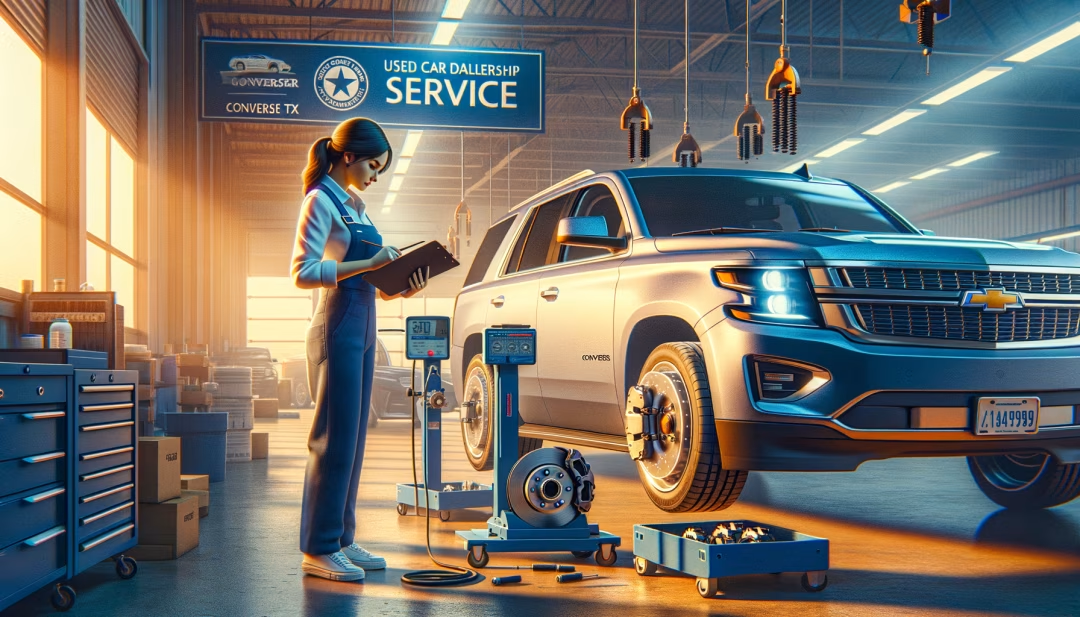
Brakes are a safety system where precision matters. In Converse TX, traffic density, summer heat, and occasional heavy rains place unique demands on pads, rotors, fluid, and ABS modules. Professional inspection measures remaining pad thickness, evaluates rotor runout and thickness variation, checks for uneven pad deposits or glazing, and verifies hydraulic performance. Properly serviced brakes help your vehicle stop straight, shorten stopping distances, and reduce noise and vibration. When paired with quality parts, the result is a more confident drive across Northeast San Antonio neighborhoods and beyond.
Recognizing symptoms early can prevent larger repairs. If any of the following occurs, plan an inspection to confirm the root cause and preserve braking performance:
A thorough brake service evaluates both friction and hydraulic systems. The typical visit includes measuring pad thickness, evaluating rotor condition, cleaning and lubricating slide pins and contact points, and testing fluid condition. If needed, pads and rotors are replaced as a matched set to ensure proper bedding and even wear. ABS diagnostics address sensor signals, module communication, and wheel speed data. When fluid appears dark or water contaminated, a full system flush is recommended to restore line pressure and protect internal seals.
Brake pads create friction against rotors to slow the vehicle. Most daily drivers use ceramic or semi metallic compounds. Ceramic pads tend to be quieter and create less dust, while semi metallic pads can offer strong bite and heat resistance. Rotors provide the surface for the pads and must be smooth, flat, and within thickness tolerance. Excessive heat or uneven torque can cause thickness variation, which leads to pedal pulsation. Brake fluid transmits pedal force to the calipers. Because fluid absorbs moisture over time, its boiling point drops, which can cause fade under heavy use. A periodic flush restores performance and protects internal components.
Texas heat and highway speeds place higher thermal loads on braking systems. In and around Converse TX, frequent stops near commercial zones and stoplights also increase wear. Many vehicles see pad replacement between 25,000 and 60,000 miles depending on driving style, load, and terrain. Rotors are often replaced with every one or two pad services, based on thickness and condition. Brake fluid commonly benefits from testing each year and flushing every two to three years, or sooner for vehicles that tow or handle hilly routes. Always consult your owner manual and adapt intervals to local conditions.
Used cars and trucks in good condition deliver strong value, especially when key safety systems are verified. If you are shopping or recently purchased a pre owned vehicle, document the brake history and perform a baseline inspection. Confirm pad thickness on all corners, review rotor runout and surface condition, test fluid for moisture content, and scan the ABS for stored codes. Establishing a baseline keeps maintenance predictable and supports long term confidence in your vehicle.
Both OEM and quality aftermarket parts can meet your needs. OEM parts generally match the original pedal feel and dust profile, which many drivers prefer. Premium aftermarket pads and rotors can offer upgraded performance, like enhanced bite or improved heat management. The best choice depends on your driving habits, wheel size, towing needs, and desired road feel. Pair components from the same performance tier to avoid imbalance. Proper bedding in procedures are essential to achieve full performance and minimize noise.
Modern braking integrates ABS, traction control, and stability control. After service, systems should be recalibrated when required and tested for diagnostic trouble codes. Wheel speed sensor condition, hub cleanliness, and harness routing are important to consistent signal quality. If your dash shows intermittent ABS indicators after heavy rain or car washes, moisture or corrosion at a connector may be involved and should be inspected promptly.
Driving habits and basic checks can extend component life and reduce noise. Maintain proper tire pressure to keep braking loads even. Remove excess cargo weight when not needed. On long downhill stretches, use lower gears to help control speed and reduce brake heat. After a hard stop, avoid holding the pedal firmly while at a complete stop to minimize pad imprinting on hot rotors. During wheel rotations, ask for a quick brake visual to confirm even wear across the axle.
Explore more about used vehicles, service topics, and local support around Converse and greater San Antonio through the pages below.
Reliable braking complements the value proposition of affordable used cars TX. When a vehicle receives consistent care, ownership costs remain predictable and resale value tends to be stronger. For shoppers comparing Texas car dealerships, access to transparent service information and ASE support can be an important differentiator. If you are evaluating multiple models, weigh the condition of safety items such as brakes and tires alongside features and mileage. A vehicle with a clean brake history, documented fluid flushes, and recent pads can be a smart pick for daily travel across the San Antonio area.
Performance and towing applications benefit from upgraded materials and attention to heat management. Slotted rotors can help clear gases and dust under repeated stops. High carbon rotors resist thermal stress and can reduce the chance of vibration when matched with the right pads. Brake ducts and proper wheel design improve airflow for track focused builds. For trucks that tow near Converse and the I 10 corridor, consider pads formulated for higher thermal loads and monitor fluid condition more frequently. Torque lug nuts to specification with a calibrated wrench to protect rotor faces and reduce distortion.
Local driving around Converse includes stop and go stretches, school zones, and arterial roads that feed into Loop 1604 and I 10. Short trips with frequent braking can lead to glazing and uneven deposits if pads are not fully bedded. Occasional highway runs that include controlled, firm stops from moderate speeds can keep surfaces conditioned. Seasonal weather patterns with sudden showers increase stopping distances, which heightens the importance of tire tread and brake readiness. Regular inspection ensures your vehicle is prepared for the region’s changing road conditions.
For more options across the region, consider these additional pages that cover vehicles and care near Converse and surrounding communities:
Our goal is to support drivers across Converse with clear information and dependable service resources. Whether you are researching brake maintenance, comparing used cars in Texas, or reviewing service topics, the linked pages above provide a helpful starting point. Vehicle needs vary by model and usage, so always refer to manufacturer guidance and adjust intervals to your driving patterns in the San Antonio area.